

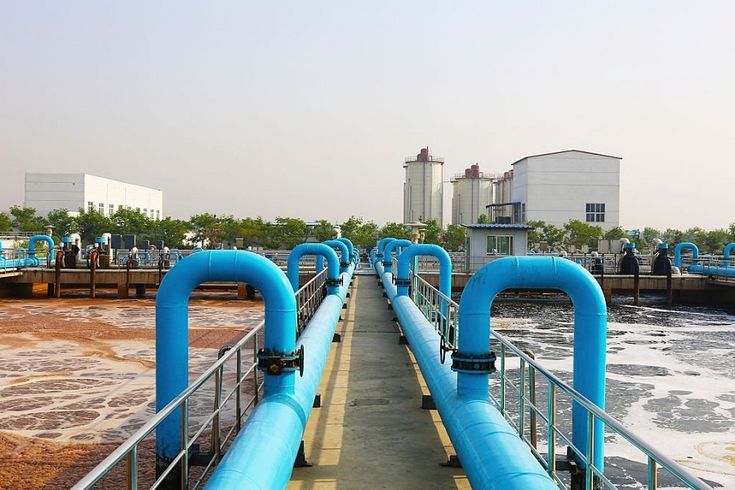

Research & Development

At Schrodinger Technologies Ltd, we are driven by a passion for research and innovation that transforms the water, energy and food sectors. We believe that technology is the key to solving some of the world’s most pressing challenges, including clean water accessibility, sustainable energy solutions, and environmental conservation.

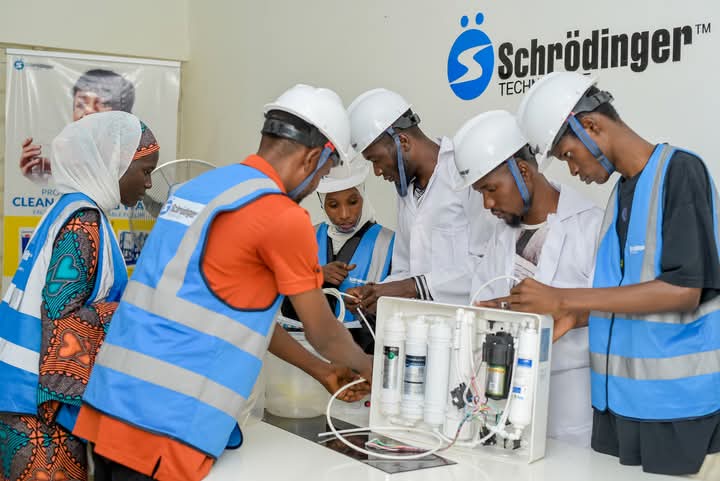
Our Research & Development (R&D) team works tirelessly to develop, test, and deploy groundbreaking technologies that improve lives. By collaborating with industry experts, academic institutions, research organizations, and government agencies, we ensure that our solutions are scientifically sound, practical, and scalable.

Our Focus Areas

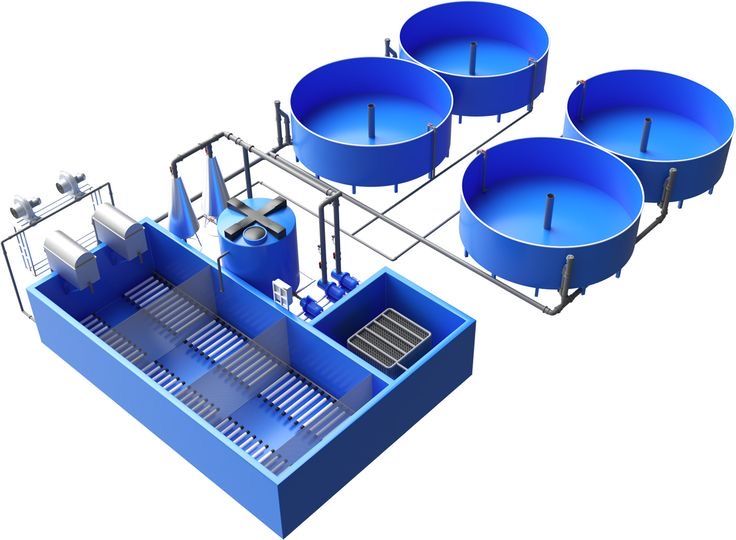
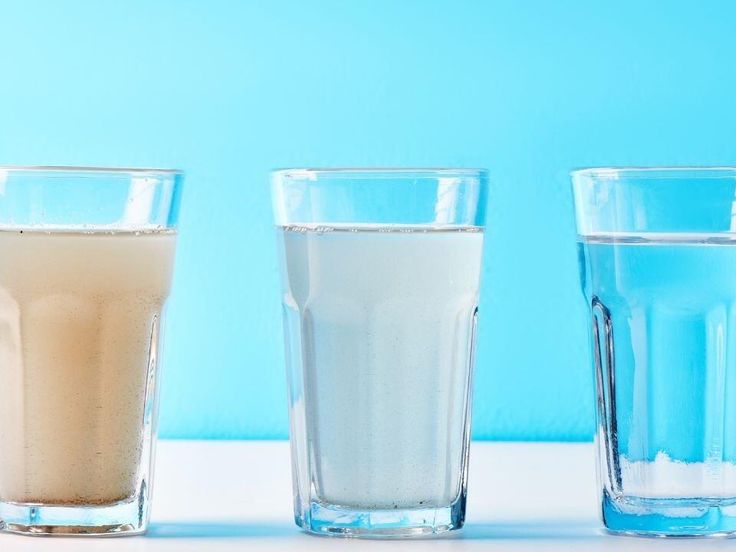
Advanced Water Purification

Advanced Water Purification

Developing high-efficiency filtration and desalination technologies.

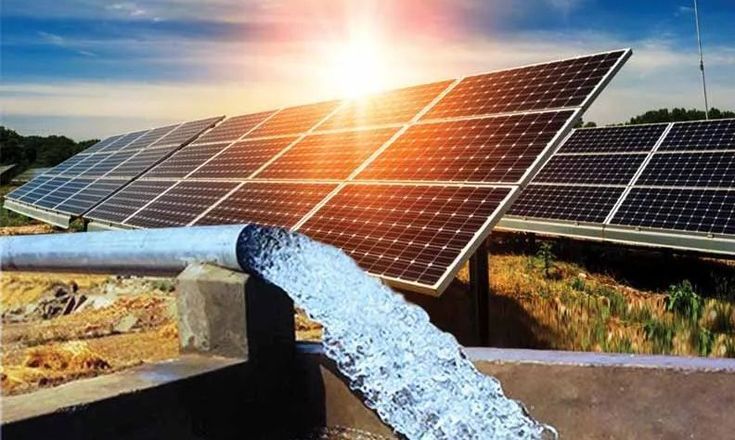
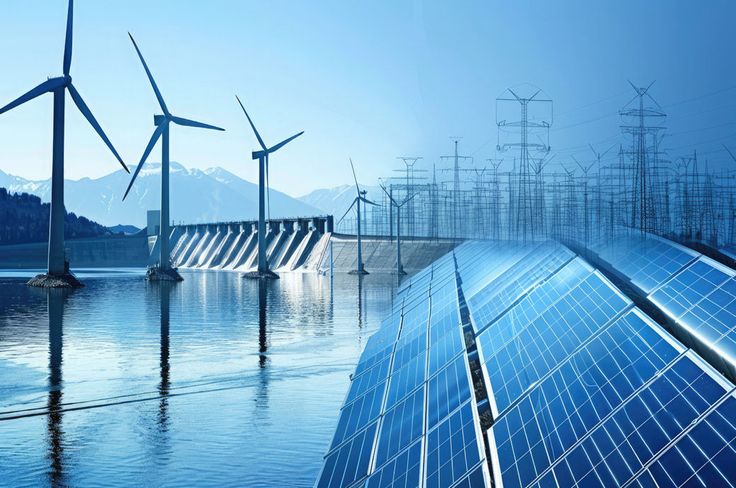
Renewable Energy Integration

Renewable Energy Integration

Exploring solar-powered and hybrid energy solutions for water treatment.

Smart Monitoring & IoT

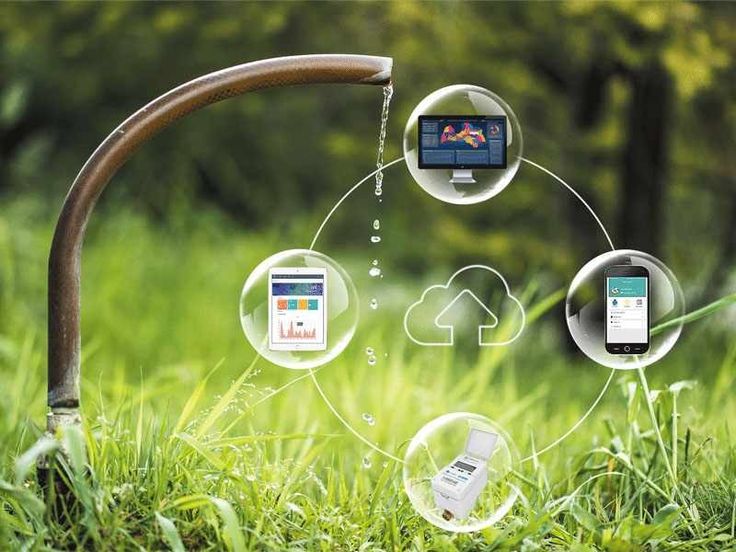
Smart Monitoring & IoT

Implementing AI-driven systems to enhance water and energy management.

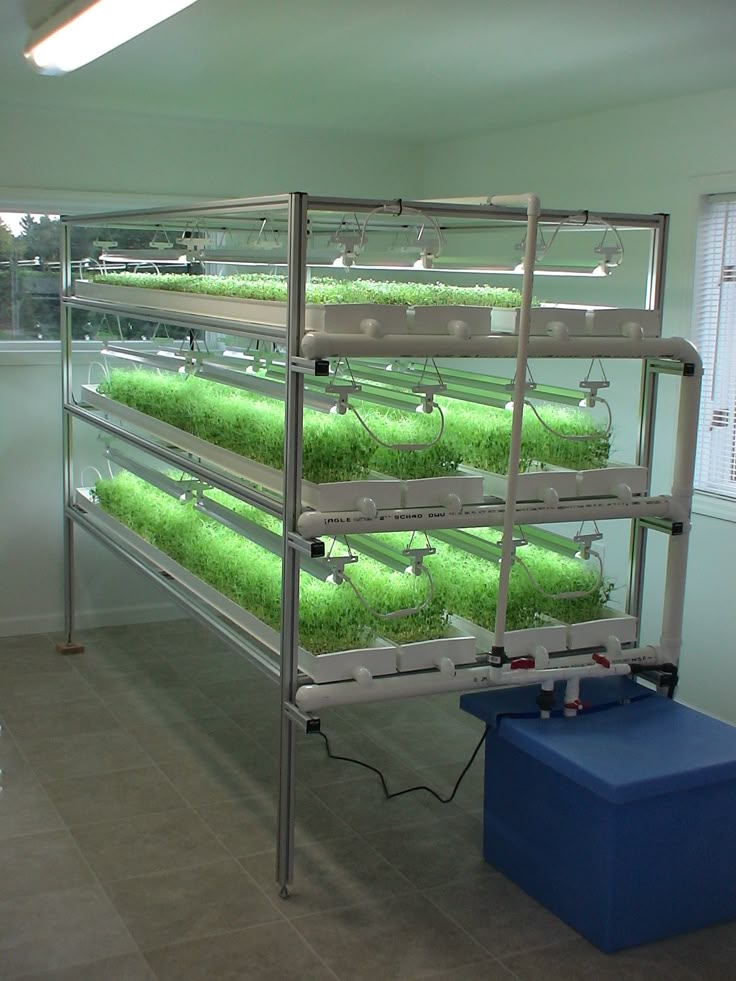
Sustainable Agriculture & Vertical Farming

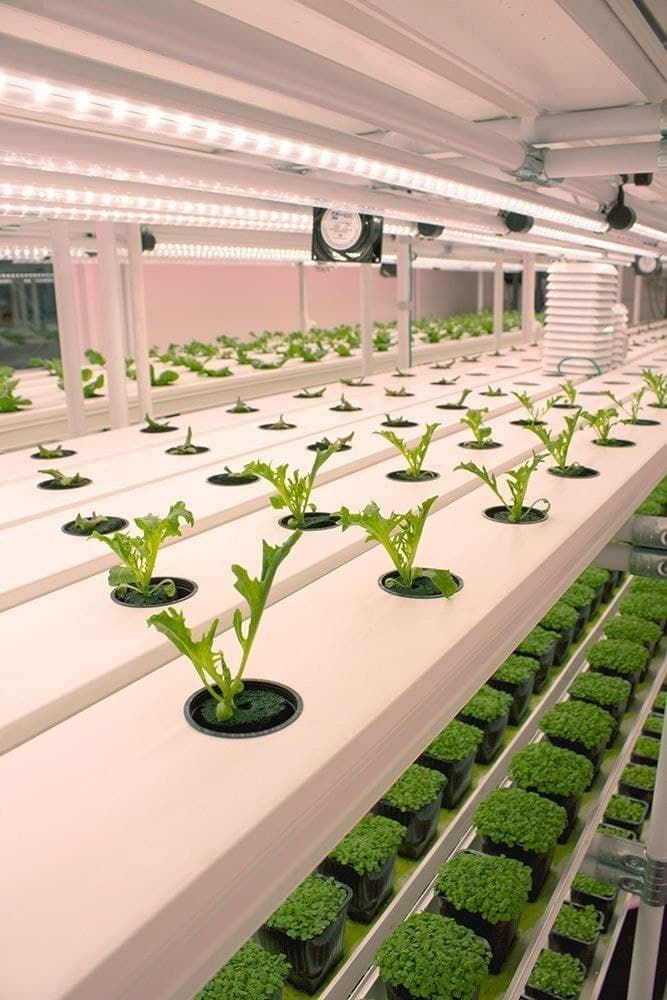
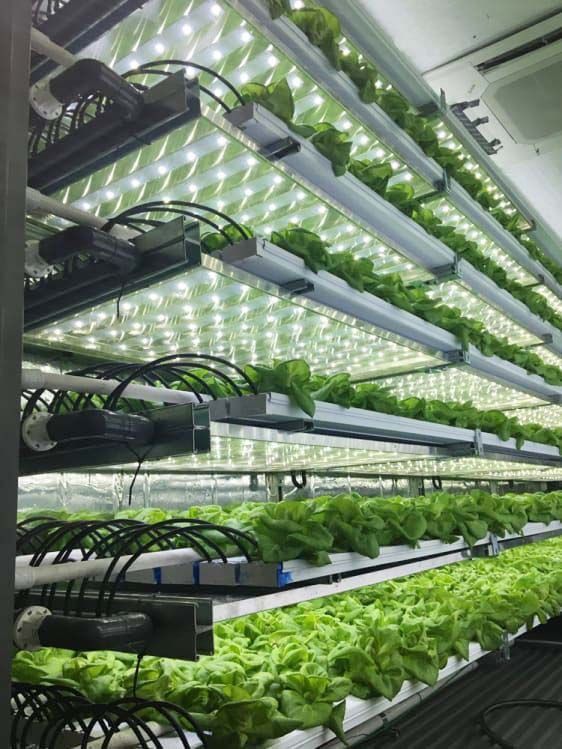
Sustainable Agriculture & Vertical Farming

Leveraging water treatment technology for agricultural productivity.

Waste Management & Circular Economy

Waste Management & Circular Economy

Creating innovative waste-to-energy and recycling solutions.

Current Research

We are actively researching and developing new water purification systems, Waste Water recycling, solar energy optimization, and waste-to-energy solutions to make clean water and sustainable energy more accessible. Some of our ongoing research includes:

Next-Generation Reverse Osmosis (RO) Filtration

Next-Generation Reverse Osmosis (RO) Filtration

Enhancing efficiency while reducing energy consumption.

Smart Water Monitoring Systems

Smart Water Monitoring Systems

Using IoT and AI to detect water quality in real time.

Hybrid Solar-Wind Energy Systems

Hybrid Solar-Wind Energy Systems

Improving renewable energy integration for off-grid communities.

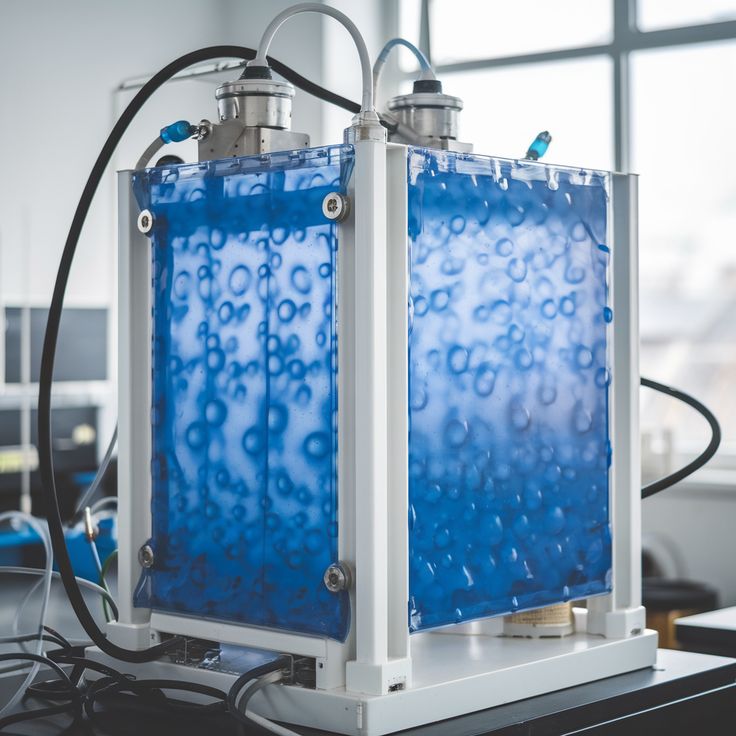
Electrocoagulation & Nanofiltration

Electrocoagulation & Nanofiltration

Exploring innovative methods to remove contaminants from water sources.

Our research is application-driven, ensuring that every discovery leads to real-world impact for individuals, businesses, and communities.

Upcoming Technologies Illustration

Upcoming Technologies

We are constantly innovating to stay ahead of industry trends. Some of the upcoming technologies we are developing include:

    Solar-Powered Atmospheric Water Generators
  • Harvesting water from air to provide clean drinking water in arid regions.
  • Graphene-Based Water Filters
  • Cutting-edge filtration technology for ultra-pure water.
  • Decentralized Water Treatment Units
  • Small-scale purification systems for rural and disaster-stricken areas.
  • AI-Powered Water Demand Forecasting
  • Using artificial intelligence to optimize water supply management.
  • Biodegradable Battery Storage for Solar Systems
  • Sustainable energy storage for off-grid water treatment.

Publications & Whitepapers

We are committed to knowledge sharing and publish our findings in leading journals, industry reports, and whitepapers. Our publications cover topics such as :

Next-Generation Reverse Osmosis (RO) Filtration

Innovations in Water Filtration & Treatment.

Learn More
The Role of AI & IoT in Water Management.

The Role of AI & IoT in Water Management.

Learn More
Hybrid Solar-Wind Energy Systems

Sustainable Solar Energy Solutions for Water Purification.

Learn More
Impact of Renewable Energy

Impact of Renewable Energy on Water Accessibility in Africa

Learn More
Electrocoagulation & Nanofiltration

Policy Recommendations for Water & Energy Infrastructure Development.

Learn More

These publications serve as valuable resources for researchers, policymakers, and industry professionals.

Collaboration ,
Opportunities

We believe that partnerships drive innovation. Schrodinger Technologies collaborates with universities,research institutions, government agencies, NGOs, and private enterprises to accelerate technological advancements.

CTA Image

Research Articles

Deep insights into our groundbreaking research and findings

Nano Filtration

The Impact of Nano Filtration in Removing E. coli

Nano filtration (NF) is a cutting-edge water purification technology that has proven highly effective in removing harmful microorganisms, including Escherichia coli (E. coli), from water. E. coli, a common bacteria found in contaminated water, can cause severe gastrointestinal illnesses and other health complications. Traditional filtration methods often struggle to eliminate such microscopic pathogens, but nano filtration offers a more advanced solution.

Nano filtration works by using semi-permeable membranes with extremely small pores, typically in the range of 1-10 nanometers. These pores are small enough to block bacteria, viruses, and other contaminants while allowing water molecules to pass through. Studies have shown that nano filtration can remove up to 99.9% of E. coli from water, making it a reliable method for ensuring safe drinking water.

The benefits of nano filtration extend beyond bacterial removal. It also effectively eliminates dissolved salts, heavy metals, and organic pollutants, making it a versatile tool for water treatment. As water contamination continues to be a global concern, nano filtration stands out as a promising technology to safeguard public health
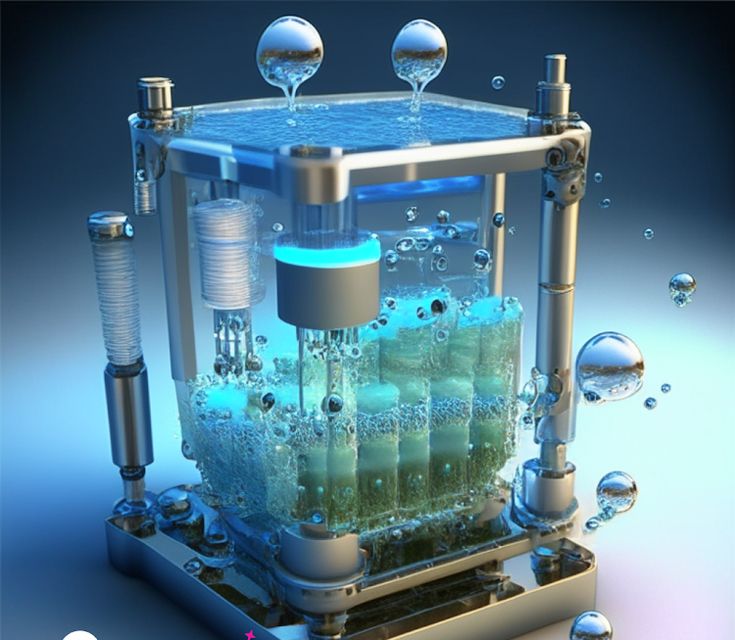
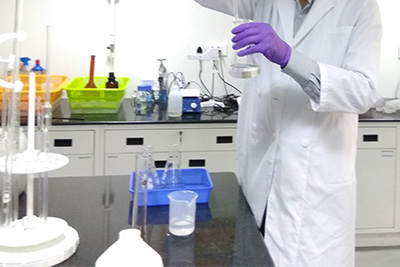
Nano Filtration Diagram
UV Light

UV Light: A Tool for Killing Microorganisms in Water

Ultraviolet (UV) light has emerged as a powerful and environmentally friendly method for disinfecting water. Unlike chemical treatments, UV light does not alter the taste, odor, or pH of water, making it an ideal solution for killing harmful microorganisms.

UV light works by emitting short-wavelength radiation that penetrates the cells of microorganisms, including bacteria, viruses, and protozoa. This radiation damages their DNA, rendering them unable to reproduce and effectively neutralizing their threat. UV disinfection is particularly effective against pathogens like E. coli, Salmonella, and Cryptosporidium, which are resistant to traditional chlorine-based treatments.

One of the key advantages of UV light is its ability to provide rapid disinfection without the need for storage or handling of hazardous chemicals. It is also highly energy-efficient and requires minimal maintenance. As waterborne diseases remain a significant global issue, UV light technology offers a sustainable and reliable solution for ensuring clean and safe drinking water.

UV Light Experiment
Recycling Brine Water

Recycling Brine Water for Agricultural Purposes

Brine water, a byproduct of desalination and industrial processes, is often considered waste due to its high salt content. However, innovative approaches are now enabling the recycling of brine water for agricultural purposes, addressing both water scarcity and environmental concerns

Traditional disposal methods, such as discharging brine into oceans or landfills, can harm ecosystems and deplete freshwater resources. Recycling brine water for agriculture involves treating it to reduce salinity and remove harmful contaminants, making it suitable for irrigation. Advanced technologies like reverse osmosis and electrodialysis are being used to achieve this.

Using recycled brine water in agriculture can help conserve freshwater resources, especially in arid regions where water scarcity is a pressing issue. Additionally, certain crops, such as halophytes, thrive in saline conditions, making them ideal for irrigation with treated brine water. This approach not only reduces waste but also promotes sustainable farming practices.

By turning a waste product into a valuable resource, recycling brine water represents a significant step toward achieving water sustainability and supporting agricultural productivity.

Brine Water Process
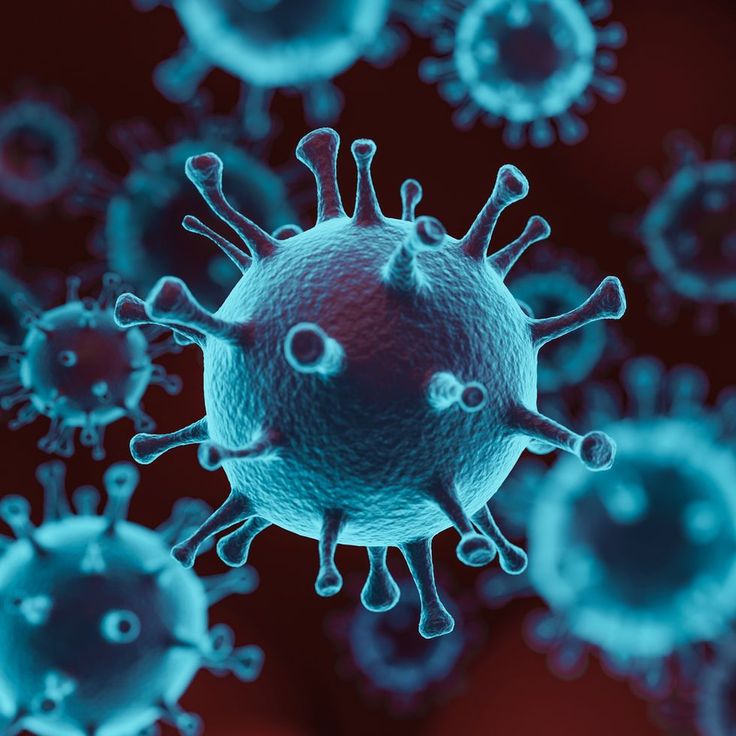
Viruses in Water

Viruses: Unseen Organisms in Water

Viruses are among the most elusive and dangerous contaminants in water. Unlike bacteria or parasites, viruses are microscopic and cannot be seen with the naked eye, making them particularly challenging to detect and eliminate. Waterborne viruses, such as norovirus, hepatitis A, and rotavirus, can cause severe illnesses, including gastrointestinal infections and liver damage

The small size of viruses allows them to pass through many conventional filtration systems. However, advanced treatment methods like ultrafiltration, nano filtration, and UV disinfection have proven effective in removing or inactivating viruses. These technologies target the genetic material of viruses, preventing them from replicating and causing infections.

Public awareness and regular water testing are crucial in combating viral contamination. Ensuring that water treatment facilities are equipped with the latest technologies can significantly reduce the risk of waterborne viral outbreaks. As viruses continue to pose a threat to public health, investing in advanced water treatment systems is essential for safeguarding communities.

Virus Study
Tap Water

Tap Water: A Major Cause of Cholera

Cholera, a life-threatening diarrheal disease, is primarily caused by consuming water contaminated with the bacterium Vibrio cholerae. Despite advancements in water treatment, tap water remains a potential source of cholera outbreaks, particularly in regions with inadequate infrastructure or poor sanitation practices.

Contaminated tap water can result from broken pipelines, sewage leaks, or insufficient treatment processes. In areas where access to clean water is limited, people often rely on untreated or poorly treated tap water, increasing their risk of cholera infection.

Preventing cholera requires a multi-faceted approach, including improving water treatment facilities, maintaining pipeline integrity, and promoting hygiene education. Technologies like chlorination, UV disinfection, and nano filtration can play a vital role in ensuring the safety of tap water

Governments and organizations must prioritize investments in water infrastructure and public health initiatives to eliminate cholera and other waterborne diseases. Access to clean and safe tap water is not just a necessity but a fundamental human right.

Tap Water Analysis

Join Us in Driving Innovation.

At Schrodinger Technologies, we are pioneering the future of water and energy. Through cutting-edge research, breakthrough technologies, and strategic partnerships, we are committed to making a global impact.

We invite scientists, engineers, entrepreneurs, and organizations to join us.

Discover the Mission
Driving Our Innovation

Know More About Us

Find the Perfect
Solution for Your Water

Explore Our Products